
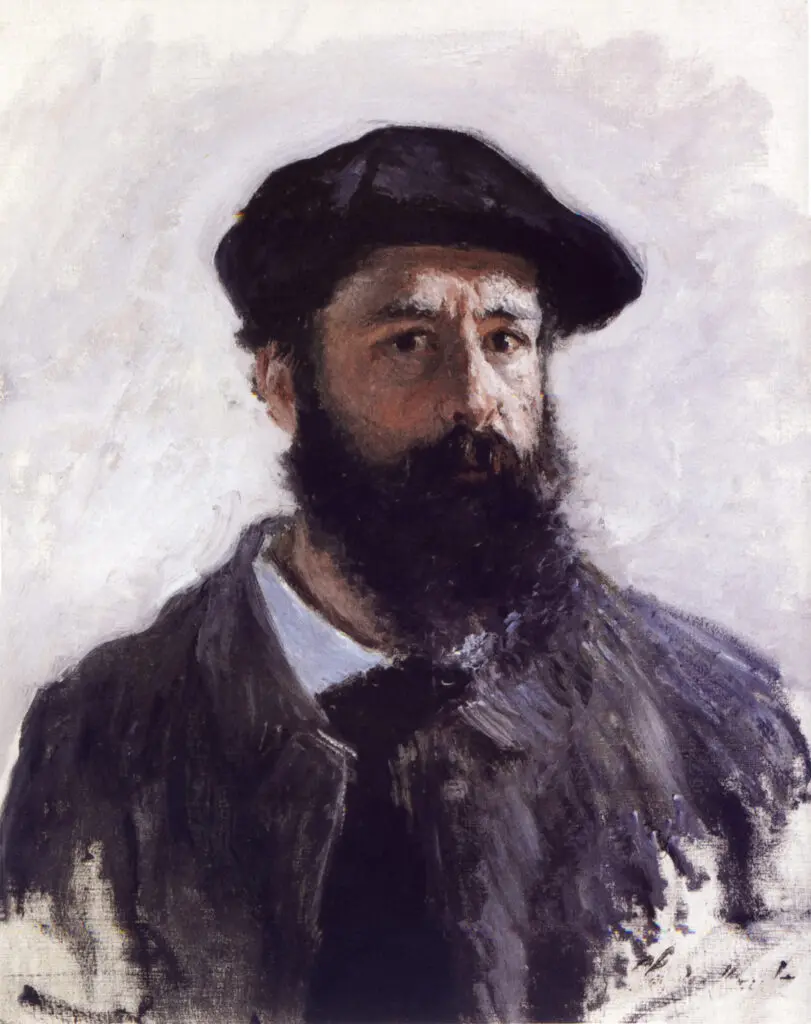
Who is …
Claude Monet (1840-1926), master of Impressionism, is one of the greatest painters of the 19th and 20th centuries. He was a leading figure of the movement, and by breaking with academic conventions, he revolutionized painting and paved the way for modern art.
The 6th edition of the Normandy Impressionist Festival pays tribute to the centenary of Claude Monet, under the theme of a possible garden.
The beginnings
Oscar-Claude Monet was born on November 14, 1840 in Paris. Shortly after his birth, his family moved to Le Havre, the Normandy port city that Monet would later immortalize in one of his most famous paintings, Impression, Sunrise.
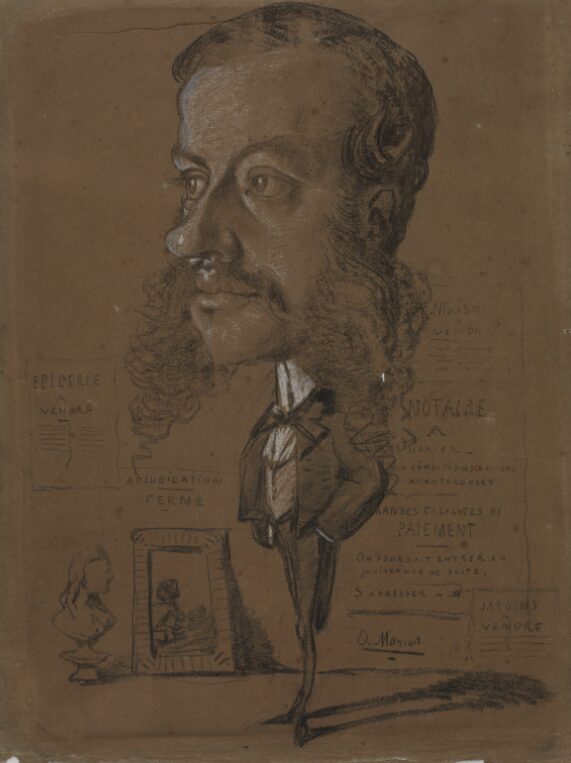
Monet began his artistic career by drawing caricatures of the city's dignitaries. His talent was noticed by Eugène Boudin, who encouraged him to paint outdoors and to try to capture the changing play of light.
Master of Impressionism
Claude Monet is a pivotal and foundational figure of Impressionism. With his early seascapes, he paved the way for the Impressionist style. For him, the sea and sky were not merely a backdrop, but the central subject of a painting. An active member of a group of innovative artists, Monet demonstrated a definitive break with the norms imposed by the Academy of Fine Arts.
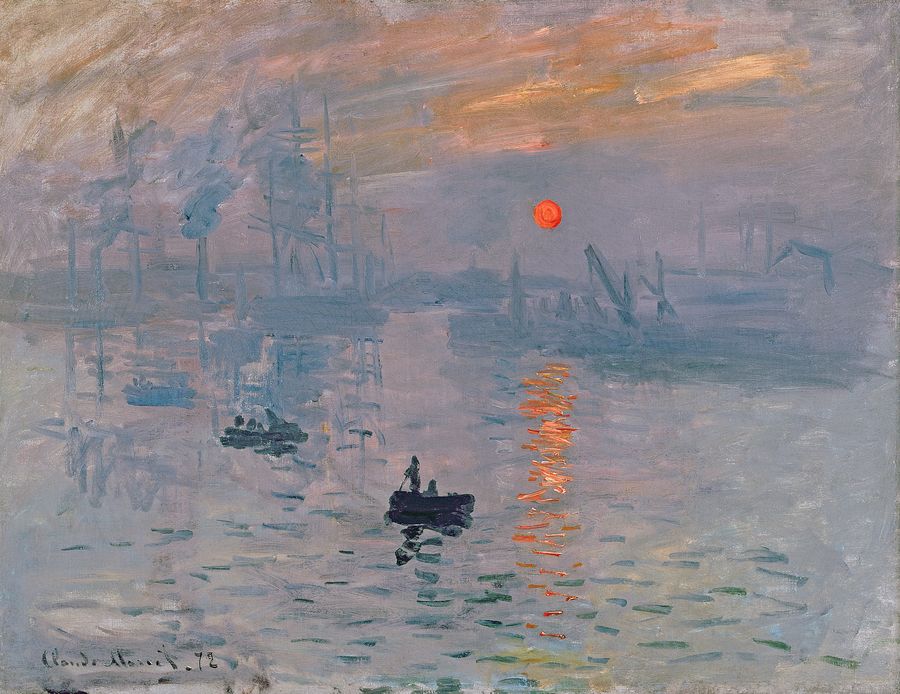
Paris, Musée Marmottan Monet. ©Bridgeman Image
In 1874, the artist was among the painters who organized their own exhibition. It was at this first group exhibition that Monet presented a painting, Impression, Sunrise, which gave its name to the Impressionist movement. This work served as the starting point for an artistic revolution where the perception of light and the moment replaced academic perfection.
Gardens
In 1884, Monet traveled to the Italian Riviera. In Bordighera, at the Moreno Garden, he discovered a captivating green haven, home to an exotic collection of plants from around the world. Although he had initially planned to remain there for three weeks, his stay lasted three months. He produced 38 paintings in the city, in addition to six others painted in the region—an exceptional achievement for such a short period.
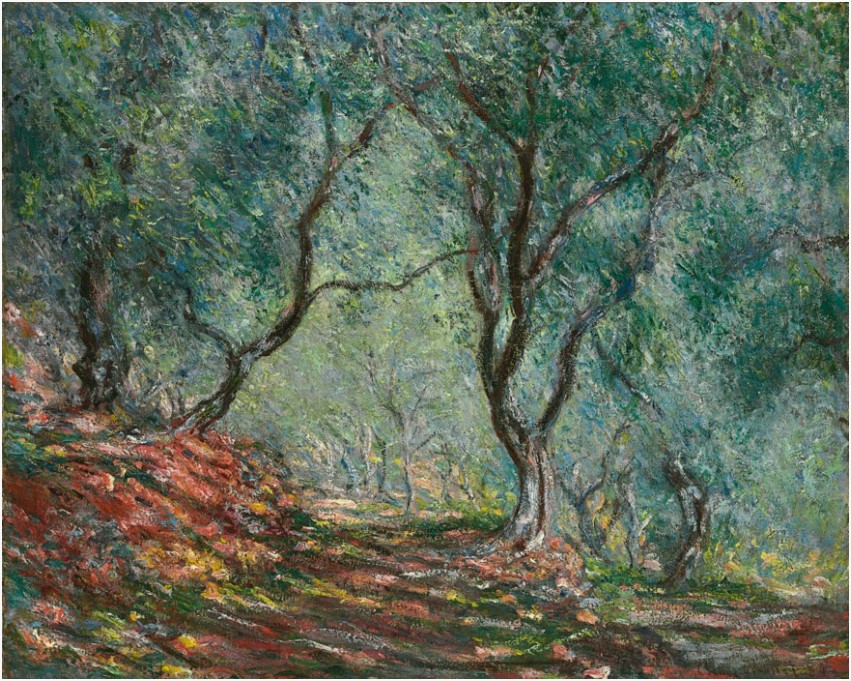
This stay in Bordighera profoundly influenced Claude Monet. Upon returning to France, he created his own garden in Giverny, where he spent the last forty-three years of his life. The spaces, of the garden, inspired by Japanese aesthetics, are adorned with a pond, and became the main subject of his most iconic works, notably the famous Water Lilies.
After Impressionism
After Impressionism, art evolved towards a progressive questioning of the representation of reality. This evolution gradually led to abstraction, where the image no longer seeks to represent an identifiable subject.
The legacy of Impressionism cannot be overlooked. It paved the way for this freedom by asserting that perception and sensation take precedence over exact representation.
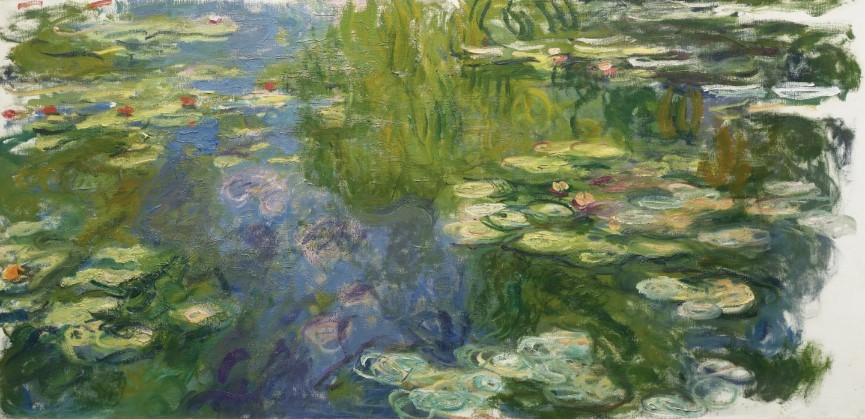
Monet's later works, and particularly the Water Lilies, anticipated this shift. Toward the end of his life, his canvases became vast expanses of color where the forms of water and light dissolved, leaving only pure emotion. This dissolution of concrete form in favor of visual sensation prepared the ground for new forms of expression, making Monet a precursor of abstract art.