
The Japanese artist behind the new show Cathedral of Light_WildBloom
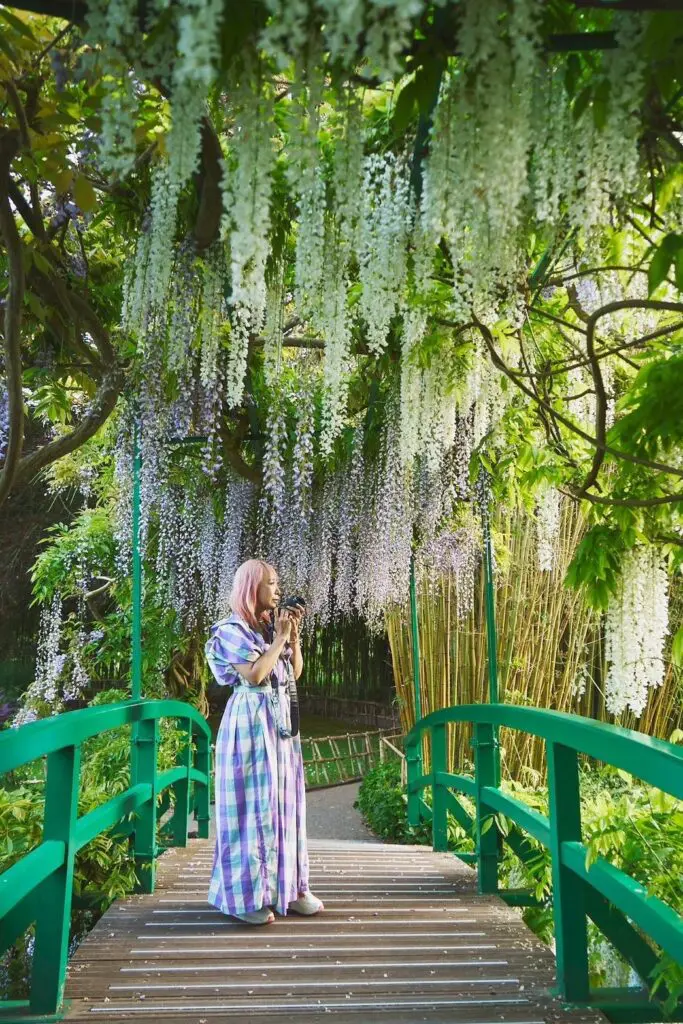
Who is …
Mika Ninagawa is a Japanese photographer and filmmaker born in 1972 in Tokyo. She is known for her highly colorful images inspired by fashion, flowers, and Japanese pop culture.
Today, Mika Ninagawa is considered one of the most influential contemporary Japanese artists.
Portrait of the artist
Mika Ninagawa's art is dynamic, animated by saturated colors and cherry blossoms. Passionate about photography since childhood, she also explores painting, graphic design, and theater. She sees photography as a way to capture fleeting emotions and unique moments.
In the 1990s, she became a leading figure in the Japanese "Girly Photo" movement, a trend that inspired millions of young Japanese women to document their daily lives. Her world, both pop and poetic, blurs the lines between reality and imagination. The cherry blossom (sakura) is one of the recurring symbols in her work.
And what about Impressionism, then?
As part of its 6th edition “Impossible Garden”, the Normandy Impressionist Festival has invited Mika Ninagawa to pay tribute to Claude Monet, whose centenary we celebrate in 2026.
Claude Monet was a legendary figure of the Impressionist movement, and he dedicated the last years of his life to his garden in Giverny, both designing and using it as a subject for his paintings. A multitude of masterpieces emerged from this garden, including the Water Lilies series.
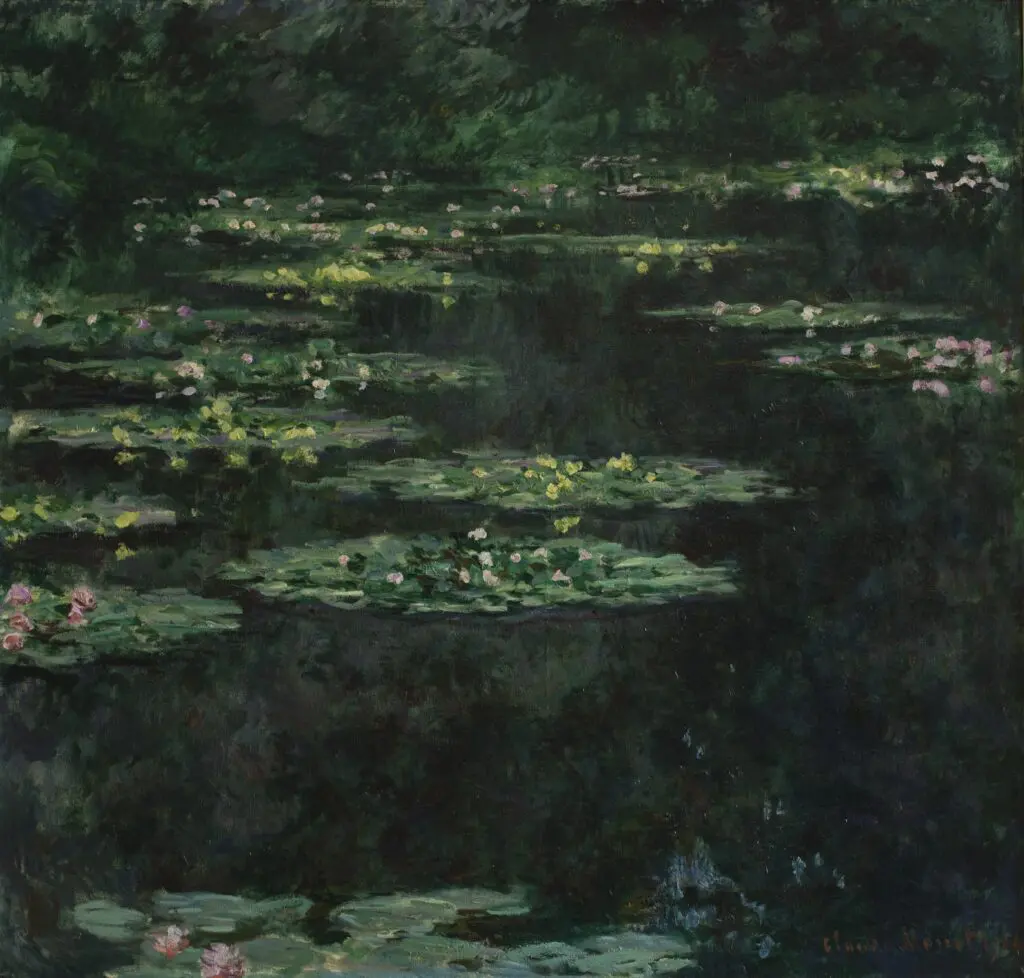
Oil on canvas, 89×92 cm, © MuMa Le Havre / David Fogel
On this occasion, the festival invited Japanese artist Mika Ninagawa to make photos of the region, from Giverny to Mont Saint-Michel, passing through the Roseraie de Grand-Quevilly.
This exploration of the territory is presented to you today in this show that brings together Normandy landscapes and urban views of Tokyo, which is projected on the façade of Rouen Cathedral.
Rouen Cathedral profoundly inspired Claude Monet, who dedicated a series of approximately 30 paintings to it. In his series of paintings, he observed the changes in light and atmosphere over time, seeking to capture unique and fleeting moments.
Today, Mika Ninagawa continues this approach with a personal twist: through her photographs, she highlights light, colors and nature to capture, the beauty of the ephemeral moment in her own personal way.
Read the work
During the show, you will discover many images from Japanese culture, which we invite you to read:
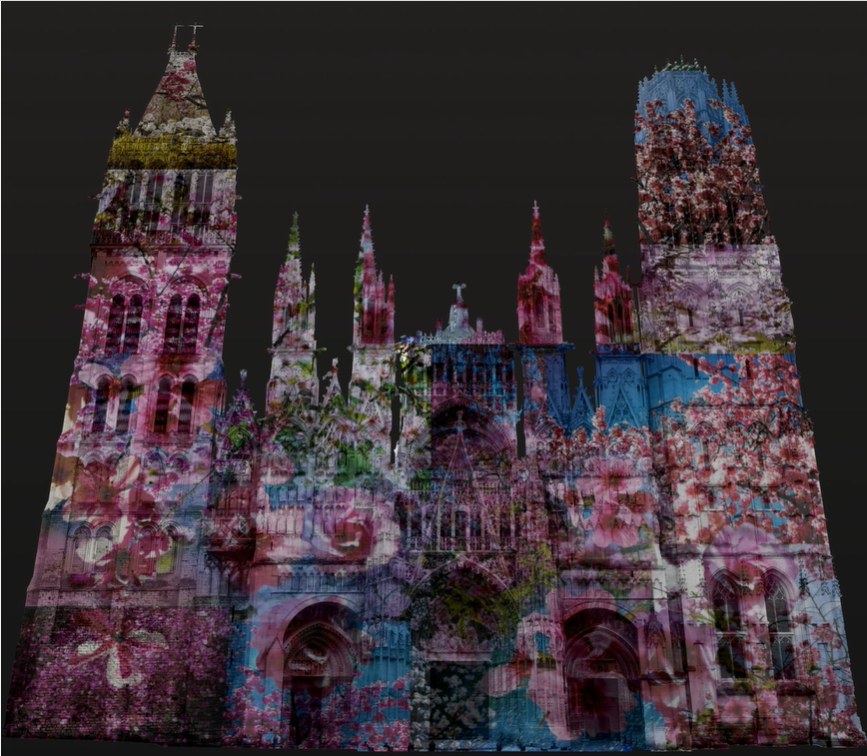
The sakura, or cherry blossom, is an important symbol in Japan. It’s very brief flowering in spring is associated with the ephemeral beauty of life and the passage of time.
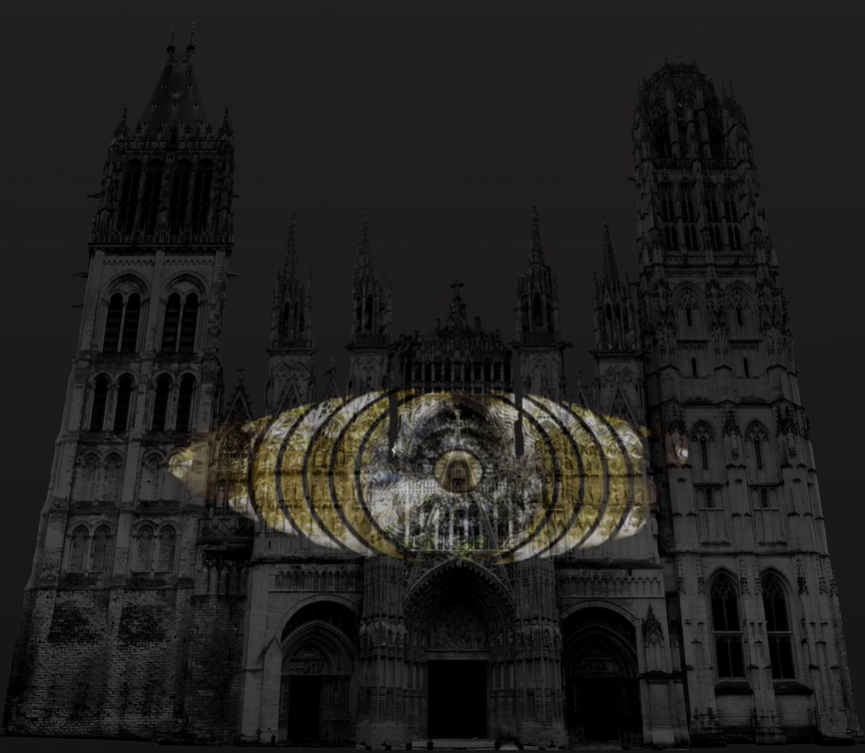
The "Shinjuku Eye" refers both to the visual atmosphere of Tokyo's Shinjuku district, known for its neon lights and intense activity, and to an eye-shaped sculpture located in its subway station. Together, they evoke the gaze directed at the modern city, between movement, light, and the constant observation of passersby.
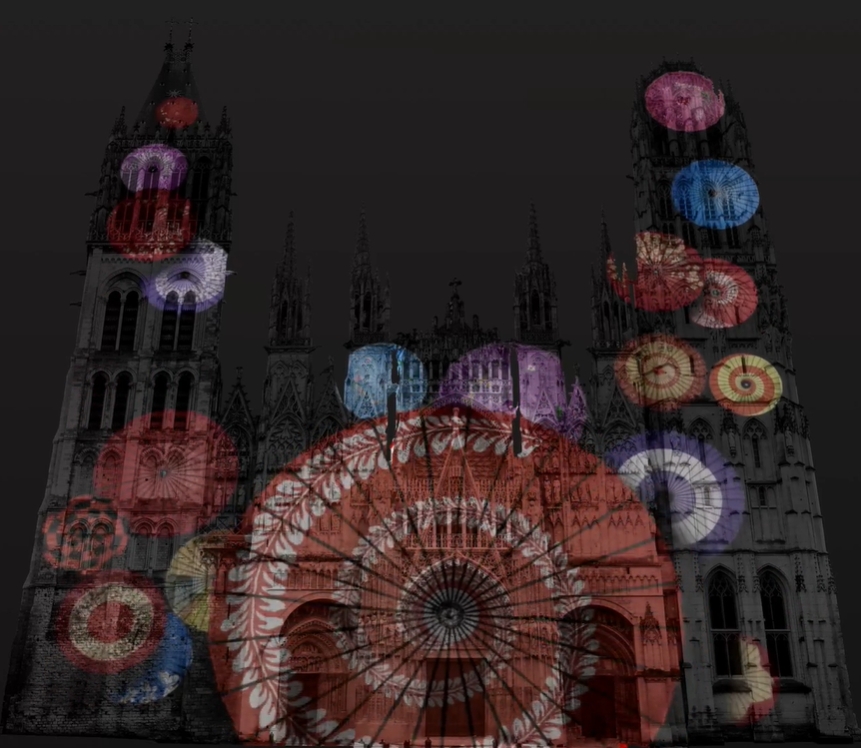
Japanese parasols, called wagasaare traditional umbrellas made of paper and bamboo. Although they were originally used for protection from the sun and rain; they are now also decorative and cultural objects. They are often associated with dance, theater, and traditional Japanese arts.
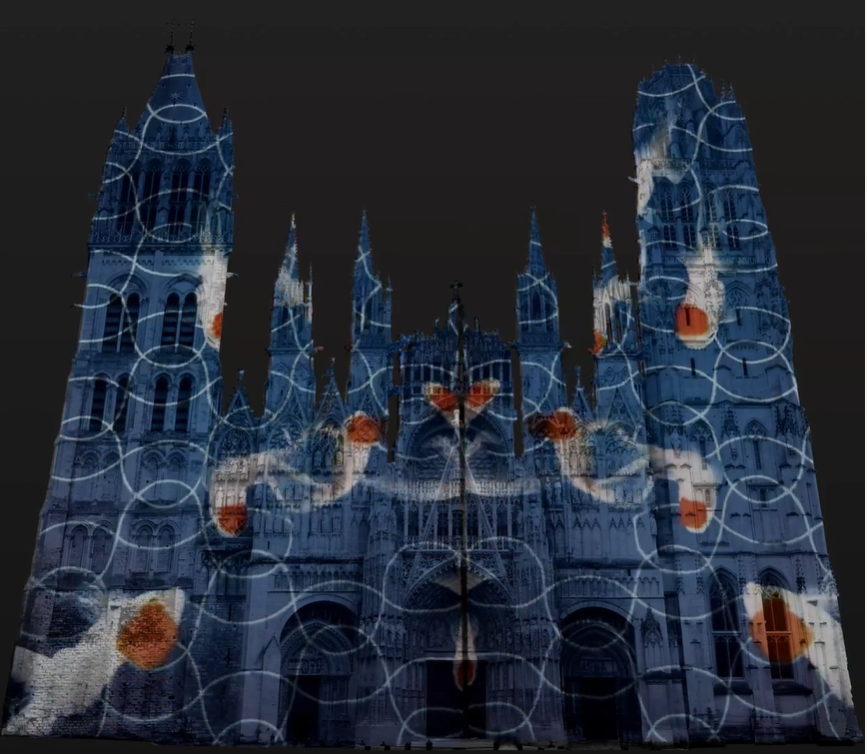
Koi carp are fish deeply rooted in Japanese culture. Raised in gardens and ponds, they are prized for their varied colors and graceful movements. They often symbolize perseverance, strength, and good fortune.