Impressionism is one of the most important artistic movements of the 19th century and one of the most popular today. It revolutionized the art world by moving away from the simple representation of reality and by opposing academicism.
Among the best-known Impressionist artists are Claude Monet, Auguste Renoir, Edgar Degas, and Berthe Morisot.
Origin
Impressionism emerged around 1860 in Paris. Impressionist painters abandoned historical scenes, which had been placed at the top of the hierarchy of artistic genres established by the Academy, in favor of landscapes, portraits, and still lifes. They sought to capture the fleeting moment, fixing the dance of light and its reflections. To achieve this, they used quick, juxtaposed brushstrokes of color, creating a visual " impression " rather than a rigid reproduction of reality.
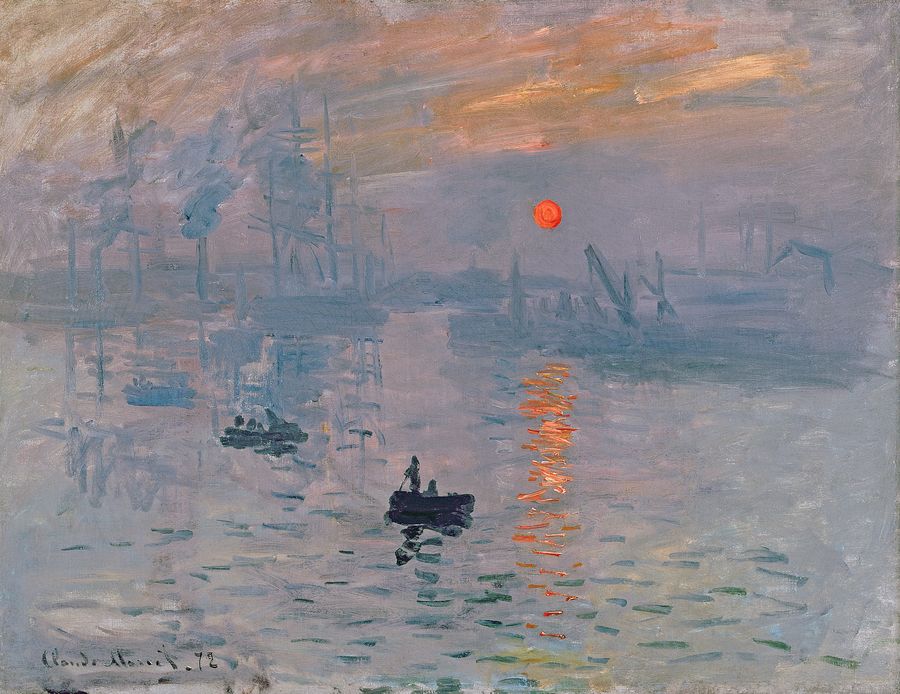
The name of the movement comes from the mocking criticism of the first Impressionist exhibition in 1874. The paintings on display shocked the public with their simplicity of subject matter and rapid brushstrokes. Using the title of Claude Monet's painting, Impression, Sunrise, a journalist wrote a review entitled "Exhibition of the Impressionists," thus christening the new movement.
Light
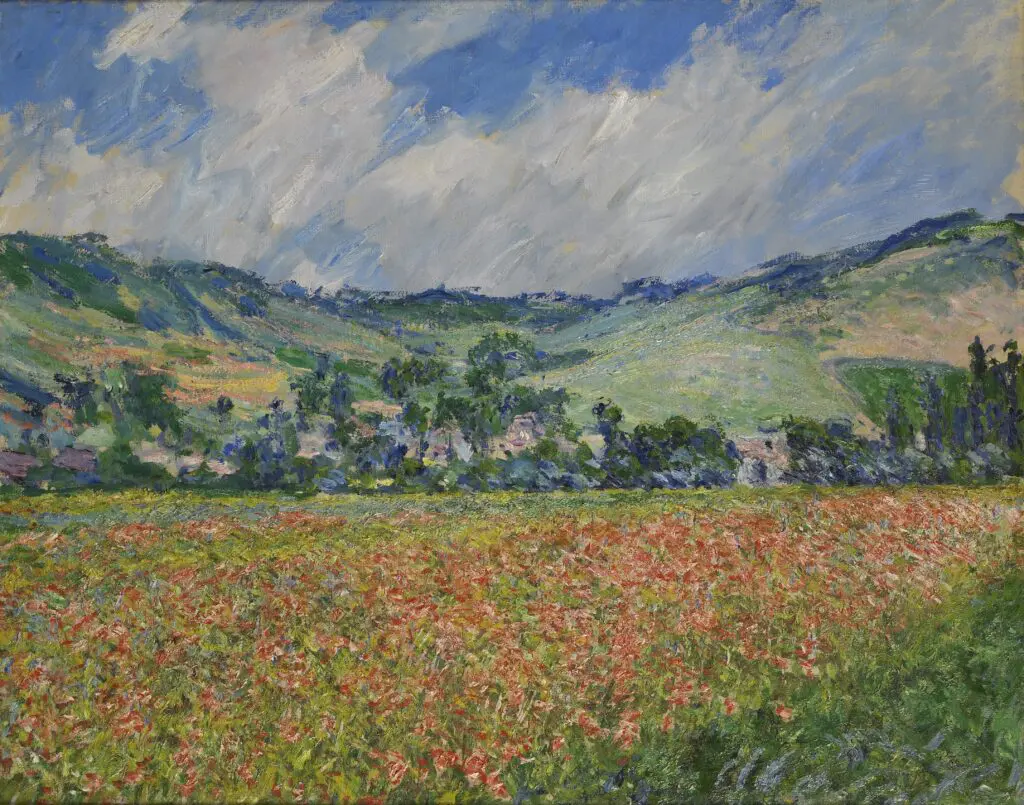
Thanks to the invention of paint tubes, artists no longer needed to prepare their own pigments; they could easily transport their paints and paint outside their studios. The Impressionists thus left their studios to paint outdoors and seek out the light of the moment. For these artists, light became the central element, relegating all others to a secondary role. To capture the intensity of reflections, they juxtaposed touches of pure color, no longer mixing them on their palette, but applying them directly to the canvas. From this practice emerged paintings composed of individual elements which, viewed from a distance, recompose the image.
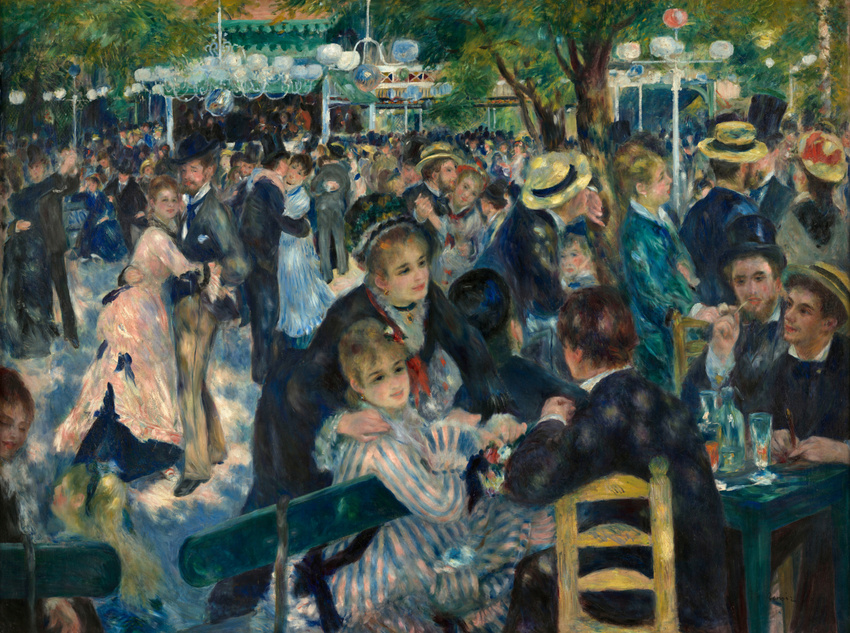
We can see the play of light that the Impressionists sought to capture, for example, in Auguste Renoir's painting, Bal du moulin de la Galette.
Light falling through the trees creates luminous patches on the figures. Brief, soft touches of color make the image vibrate as it blends together, capturing the joyful and carefree atmosphere of the open-air cafes.
Claude Monet
With its sixth edition, the festival celebrates the centenary of the death of Claude Monet (1840-1926).
Claude Monet is a visionary artist of Impressionism.
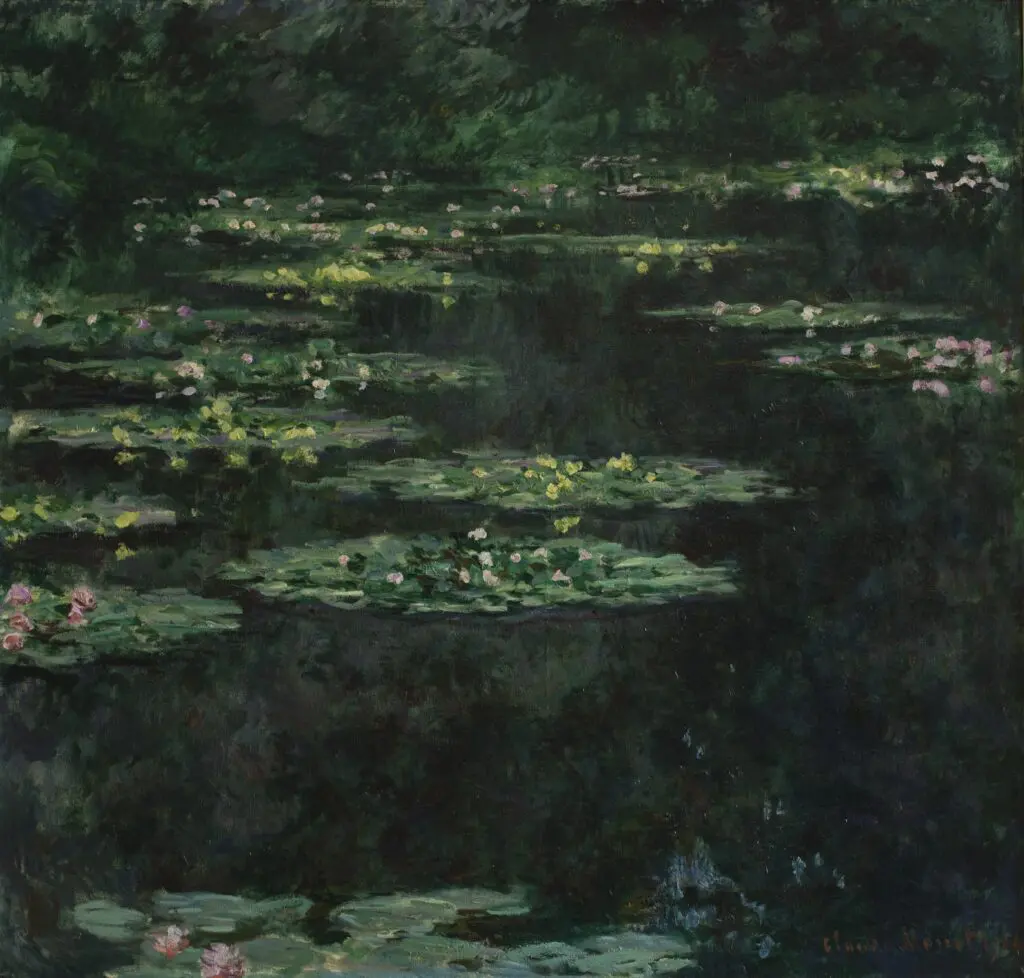
He lived the last forty-three years of his life in Giverny, where he created a magnificent water garden. This garden became a major source of inspiration for Monet's most iconic works, notably the Water Lilies.