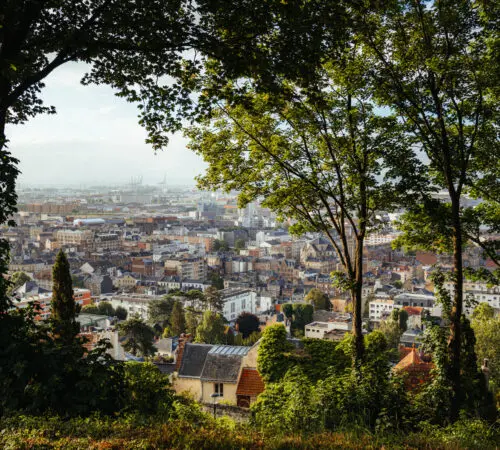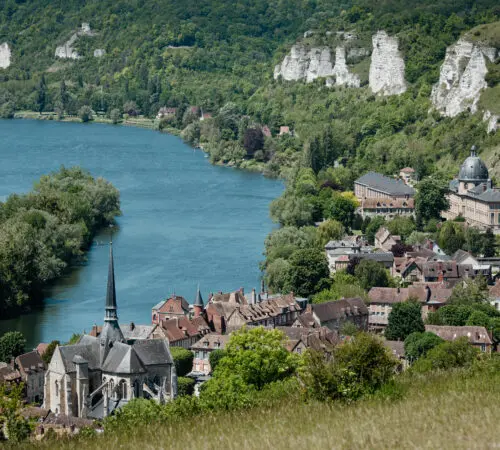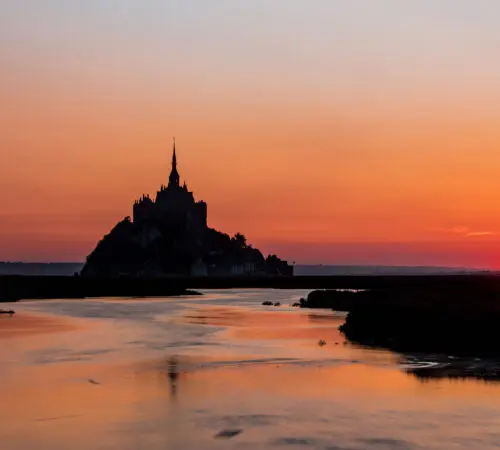
Caen was founded in the 11th century by William the Conqueror, Duke of Normandy and King of England. At first glance, it wouldn’t seem that Caen is at the heart of Impressionism. However, this city is part of the Norman landscape that inspired Claude Monet and other artists. This tour invites you to discover Caen through their eyes, with its changing light, its shifting skies, and its urban perspectives. Along the way, observe how the ordinary becomes a source of emotion, and how the atmosphere shapes the landscapes. Caen reveals itself as a sensorial gateway to the Impressionist world, a place where heritage, nature, and fleeting impressions intertwine. This is an invitation to see the city today in a new light, simply.
Day 1
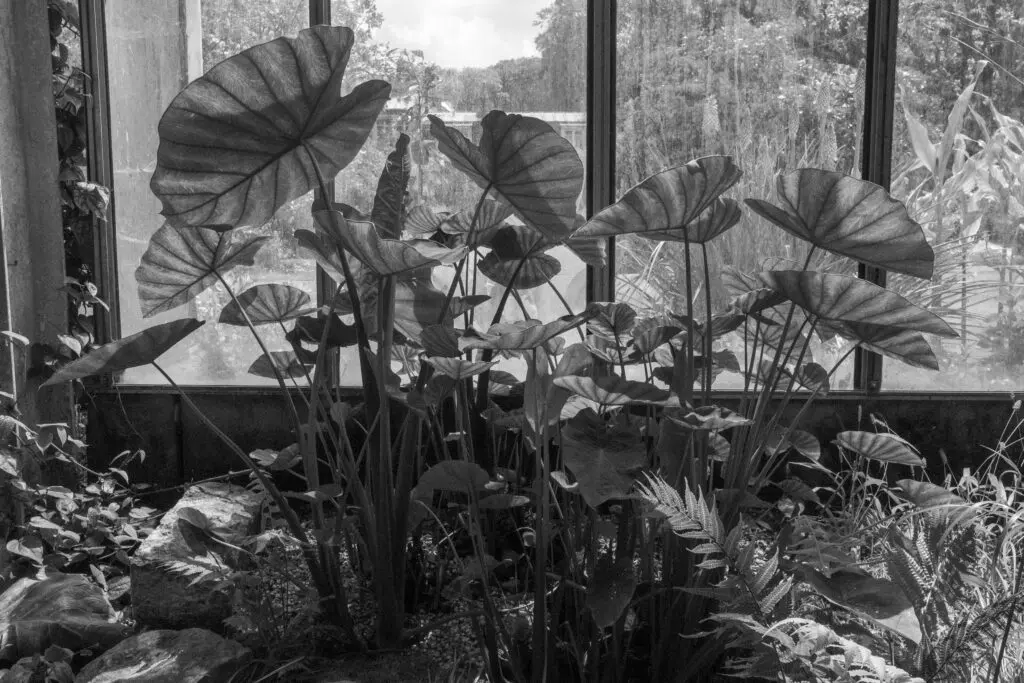
Start with a stroll through the historic city center, from Place Saint-Sauveur and its 18th-century mansions to Rue Saint-Pierre. Nearby, at the La Teinturerie gallery, you can see Foliatura, a collection of black and white photographs of Normandy's botanical gardens by artist Axelle Rioult.
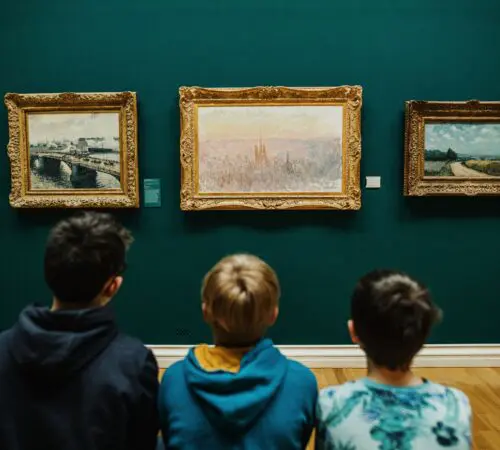
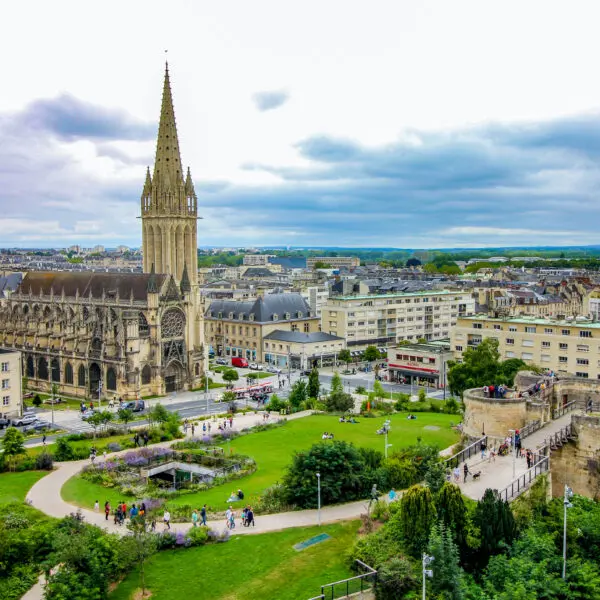
Don't miss the Château de Caen, one of the largest castle complexes in Europe. The Château is a historic and cultural landmark, and it now houses the Museum of Fine Arts and the Museum of Normandy. It also offers a breathtaking panoramic view of the city. Step inside the Museum of Fine Arts to admire its free permanent collection, including a room entirely dedicated to Normandy and paintings by Monet, Boudin, and other Impressionist artists. For this year's festival, the museum also features an exhibition by artists Caroline Bouyer and Lise Duclaux.
End your day by taking a stroll through the picturesque Vaugueux district and enjoying one of its many restaurants.
Day 2
Go to the Abbey district, that is west of the old city center. The Abbaye aux Hommes, an architectural masterpiece of medieval art, is a must-see during your visit to Caen.
Then visit the Artothèque, which is a place dedicated to contemporary art where you can admire the Ground Melody by Laurent Proux.
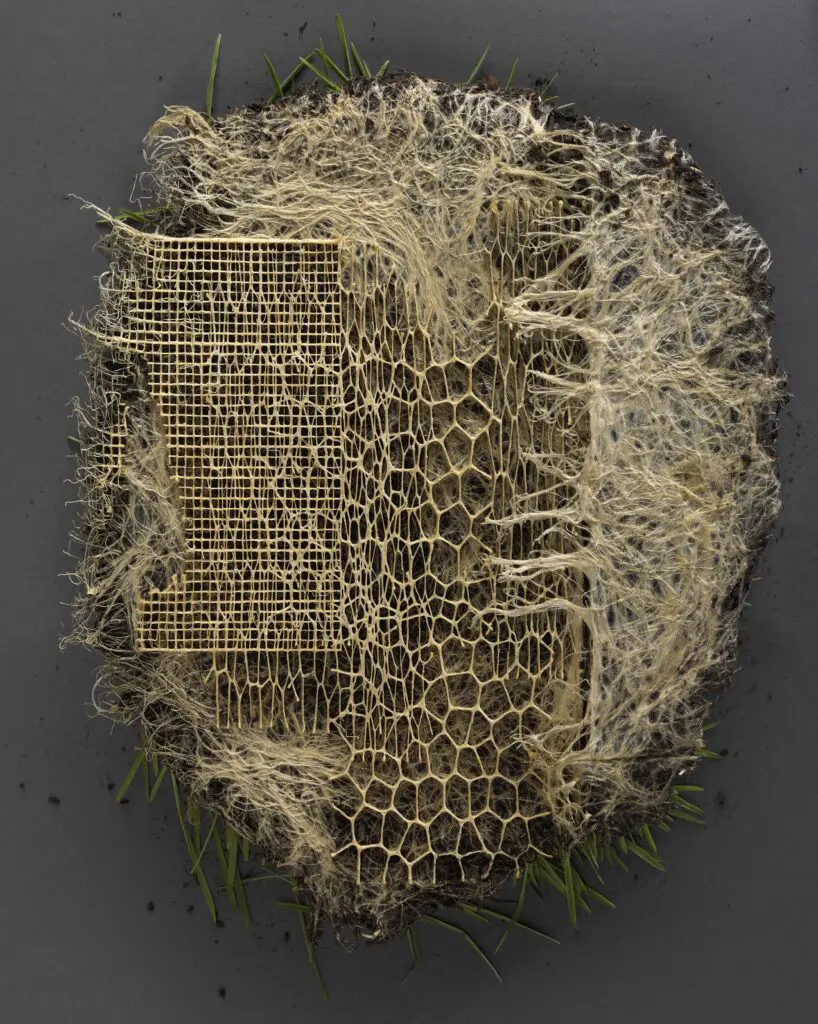
Next, head to St. Nicholas Church, which is usually closed to the public, to discover Dutch artist Diana Scherer's plant creations, works which reflect upon our contemporary relationship with the plant world.
End your day at the FRAC to discover the interactive installation of sound swings by Céleste Boursier-Mougenot, inspired by Norman bell towers.